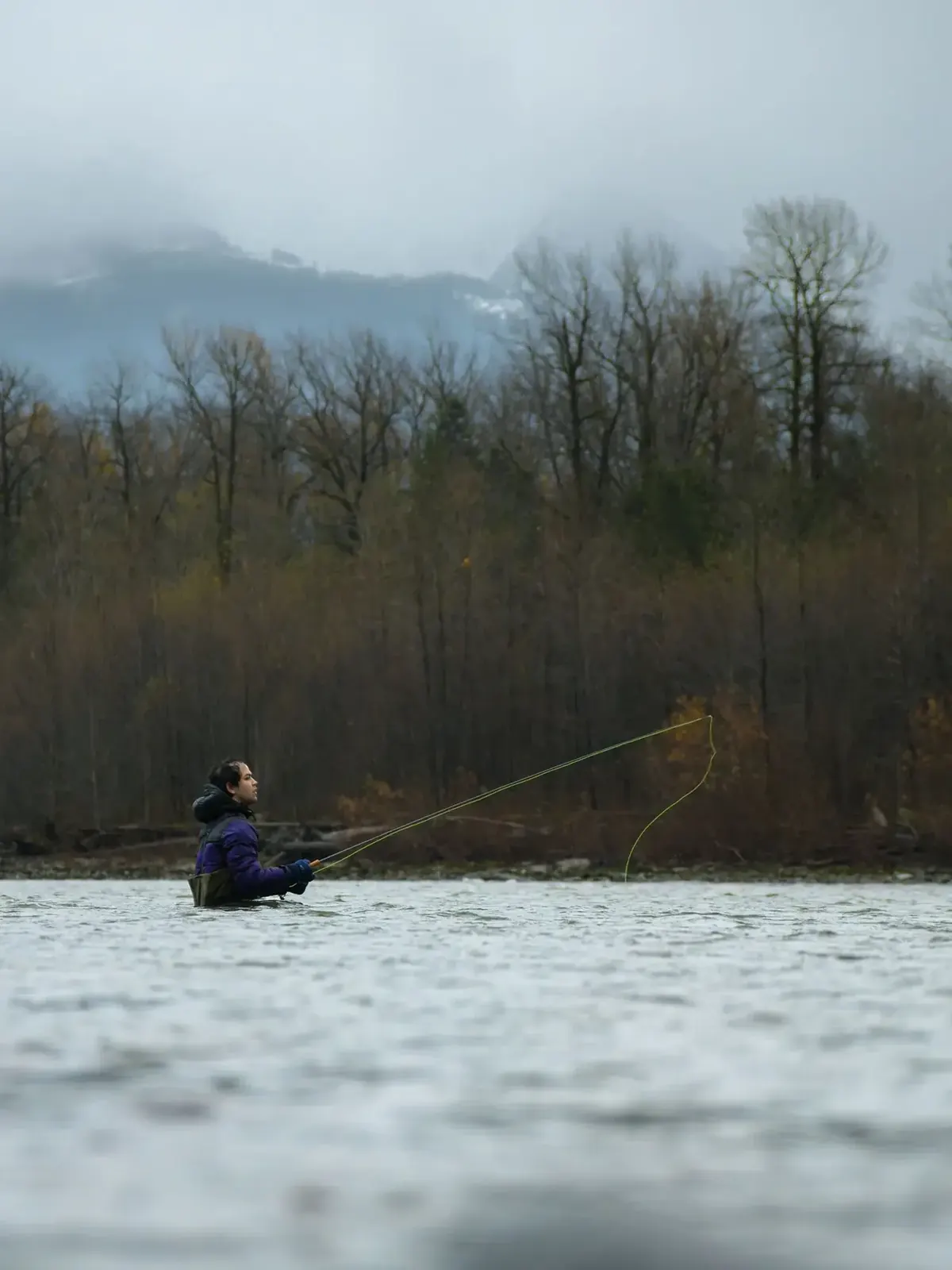
Current seams and controlled presentation
Practice safe positioning, line control, depth adjustments, and moving through water without crowding productive lies.
Club activities
Outings and clinics are structured so members know what they are learning, what to bring, and how conditions can change the plan.
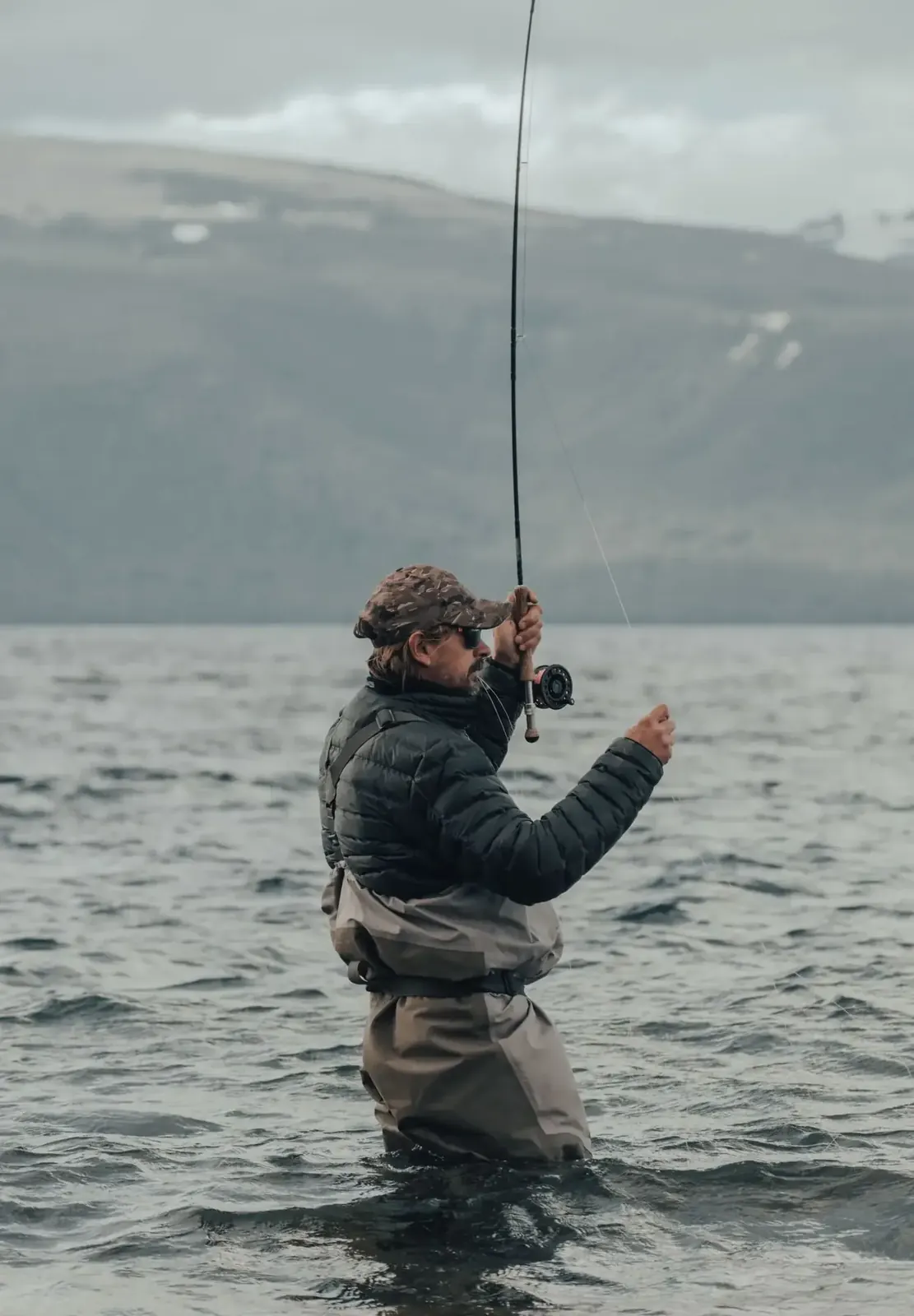
Regular field program
Exact locations vary with access and conditions, but the learning format remains consistent: briefing, focused practice, observation, and a short debrief.
Practice safe positioning, line control, depth adjustments, and moving through water without crowding productive lies.
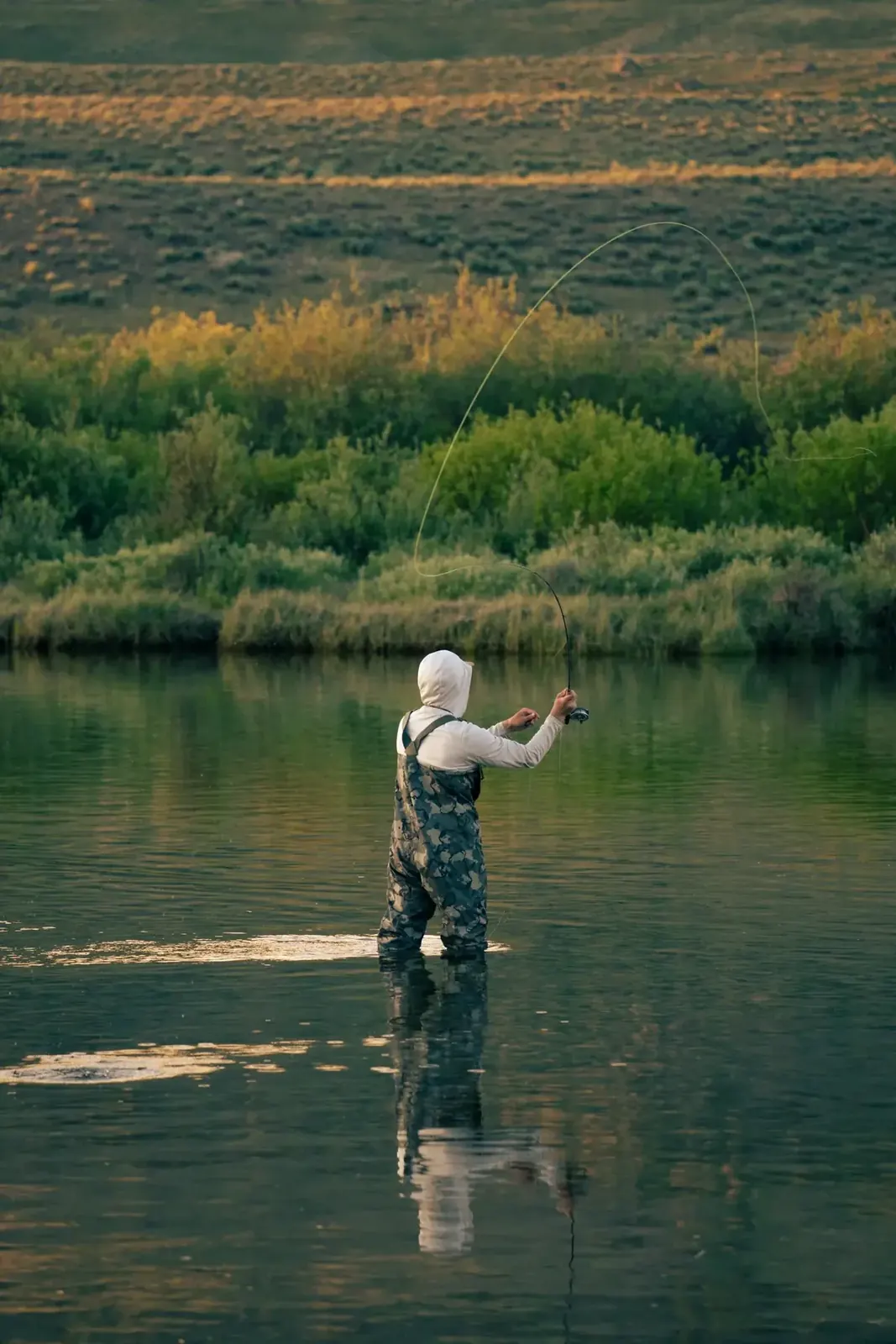
Work on compact loops, clean pickup, controlled stops, roll-cast mechanics, and useful presentation ranges.
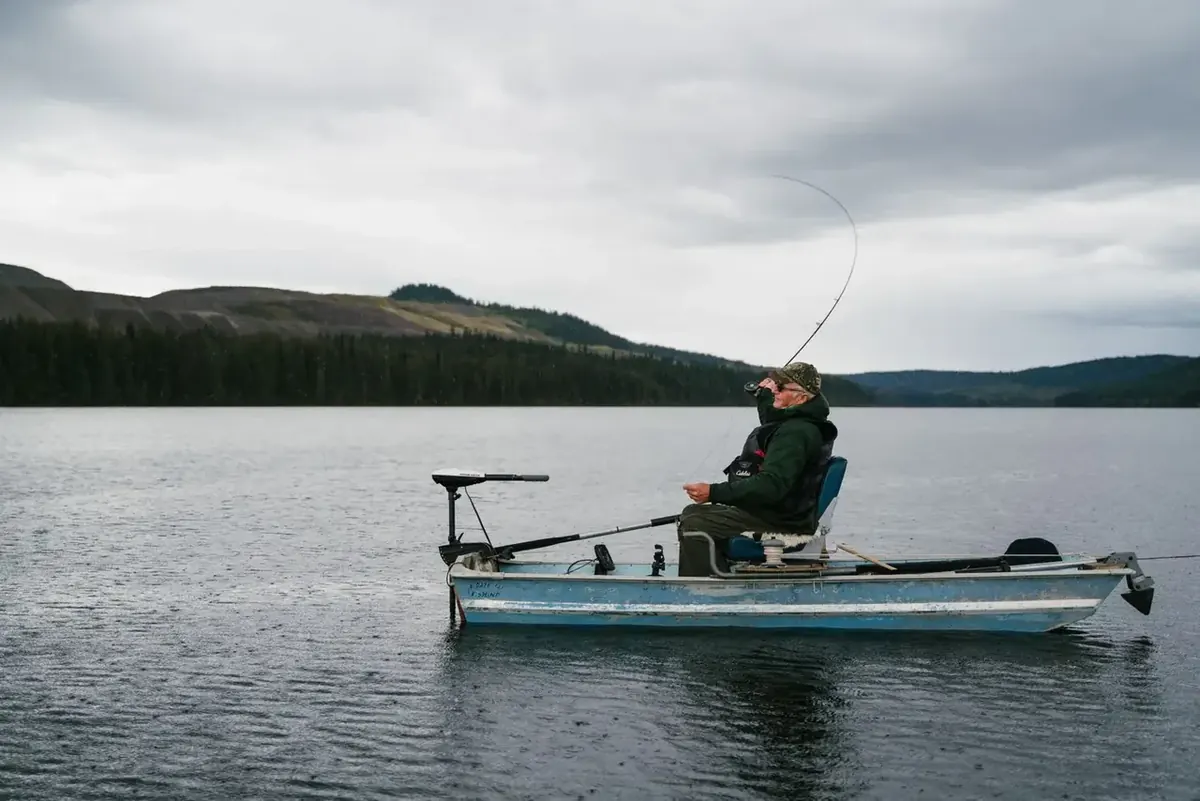
Learn position changes, indicator depth, retrieve pace, line management, and respectful spacing around other anglers.
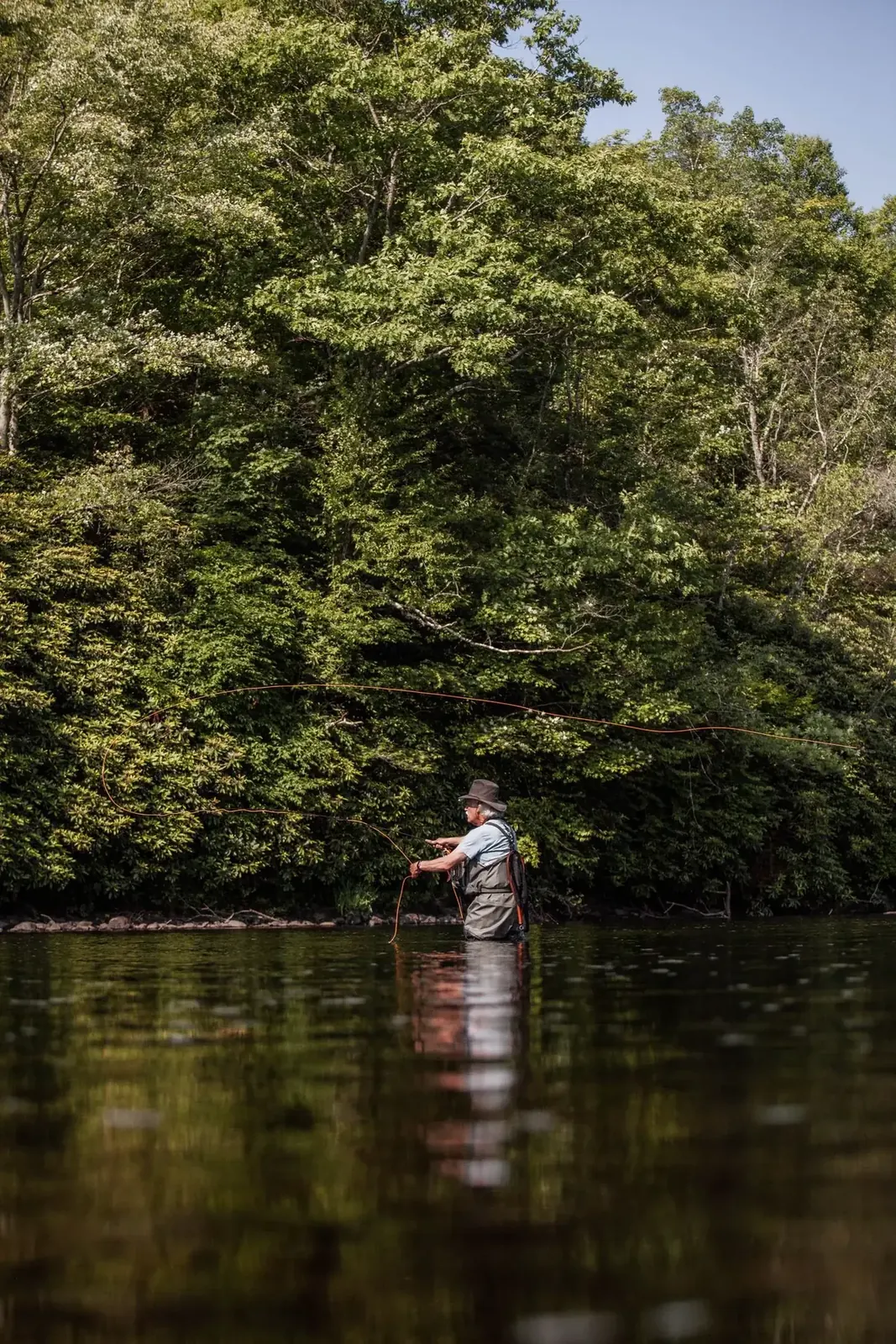
River sessions
River fishing rewards observation before casting. The club uses accessible reaches to teach how current speed, depth, structure, and approach angle affect presentation.
Participants learn to identify safer standing zones, read current transitions, make short controlled presentations, and manage line so that the fly or lure moves naturally. The objective is not to cover as much river as possible. It is to understand a smaller piece of water well enough to make purposeful changes.
We also discuss when high flow, difficult footing, poor visibility, or crowded access makes a section unsuitable for the group. A changed plan is considered good trip leadership, not a failed outing.
Skill clinics
Clinics are deliberately narrow. A two-hour session focused on one skill usually produces more useful progress than a long session covering too many topics.
Pickup, stop position, loop control, trajectory, roll casts, and accuracy at realistic fishing distances.
Reliable connection knots, leader changes, tippet choices, simple repairs, and checking weak points before fishing.
Matching depth, retrieve, drift, and approach to observable water conditions rather than copying a fixed recipe.
Prepare before landing, keep handling short, control the hook removal sequence, and release fish with minimal delay.
Inspect line, guides, reels, knots, hooks, wading gear, and small craft so avoidable failures are caught before the outing.
Record conditions, depth, insect activity, presentation, and outcomes in a format that improves future decisions.
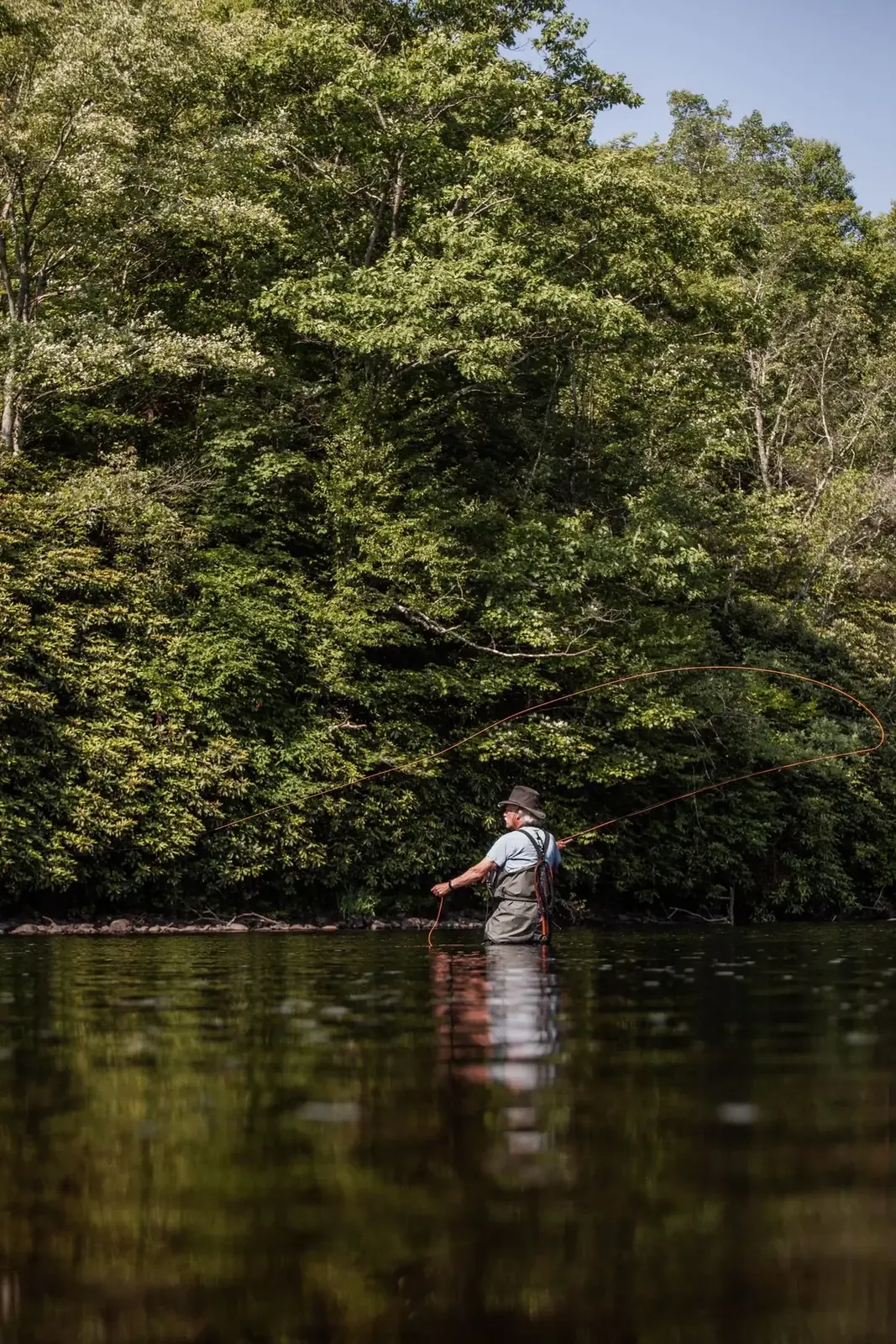
Stillwater program
Lakes remove some of the visual cues that rivers provide, so depth and presentation become even more important.
Stillwater sessions focus on locating structure, reading wind lanes, observing surface activity, changing depth systematically, and keeping boat or shoreline movement quiet. Members are encouraged to make one change at a time so the result is understandable.
Where small craft are used, the club emphasizes launch order, personal flotation equipment, clear communication, stable casting zones, and respectful distance from other users.
Stewardship program
Small routine actions matter when the same shorelines and access points are used week after week.
Members carry out line, hooks, packaging, and general waste found around common access points. Hazardous items are handled conservatively and reported when appropriate.
We favour established approaches, avoid widening informal trails, and identify sections where erosion or vegetation damage suggests that traffic should be reduced.
Members can record visible habitat changes, unusual debris, access concerns, and basic water observations for club planning and responsible trip decisions.
Before you attend
Specific requirements are sent with each outing. The general standard is simple: arrive ready for the conditions and ready to adjust the plan.
Find your entry point
Start with a clinic or an easier shoreline session, then build toward longer outings as your field confidence improves.