About Alboriquessavine

A fishing club shaped by quiet practice and shared responsibility.

We are a North Vancouver community for anglers who want to improve through repetition, local observation, and respectful use of British Columbia waterways.

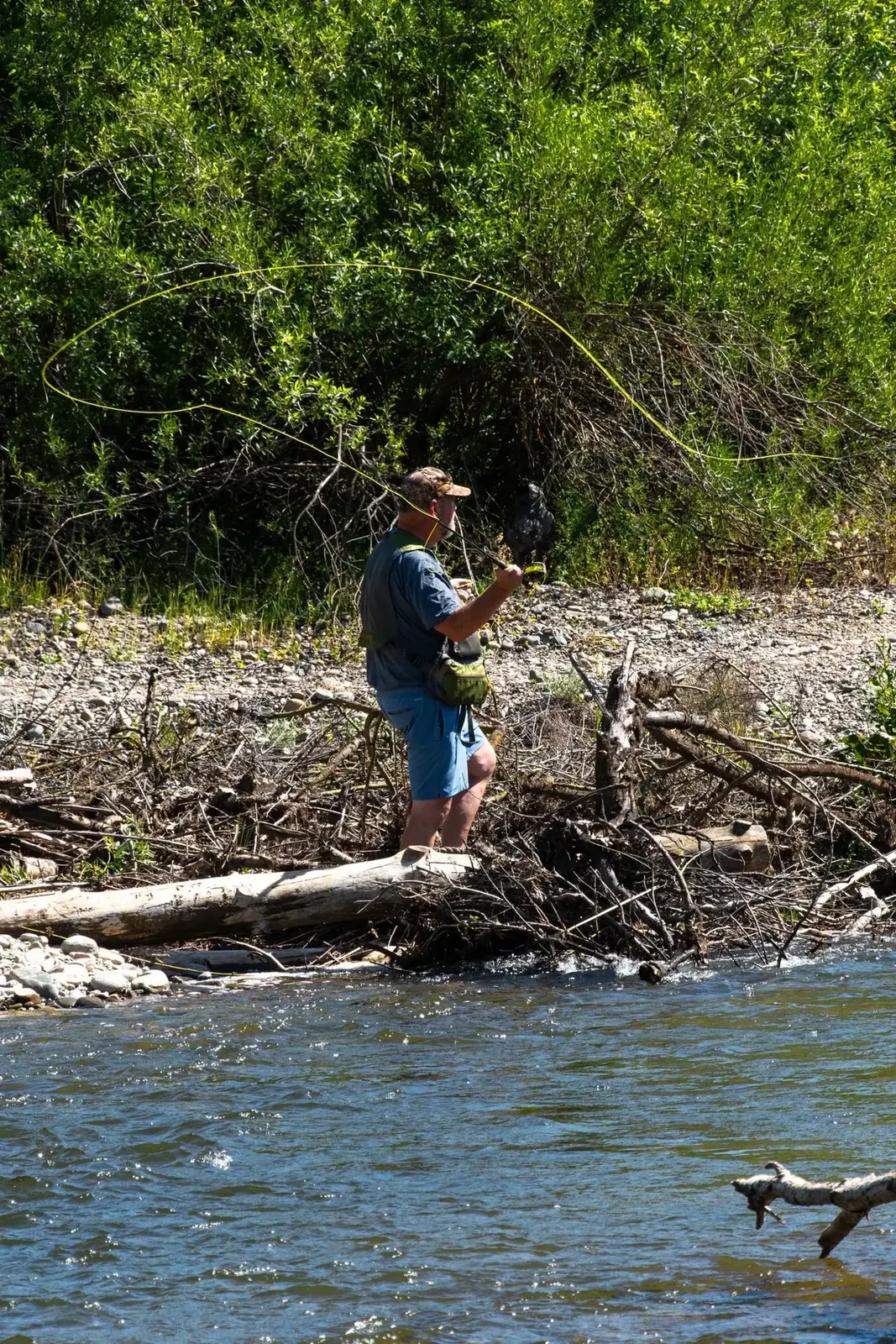
Angler fishing a narrow river channel

Why the club exists

Skill is useful only when judgment grows with it.

Our purpose is to make local fishing more competent, more social, and less extractive—without turning a day on the water into a competition.

Practice

Learn the reasons behind a technique

Members are encouraged to understand why a rig, cast, retrieve, or presentation works under a particular set of conditions. That makes skill portable across water rather than dependent on memorized instructions.
Access

Make the learning curve less wasteful

Beginners often buy too much before they know what they need. Shared equipment, patient demonstrations, and direct field feedback help members learn with fewer unnecessary purchases and fewer avoidable mistakes.

Restraint

Let conditions set the limit

A responsible angler knows when warm water, vulnerable fish, crowding, or poor access calls for a different plan. Choosing not to fish a specific area can be part of good field judgment.

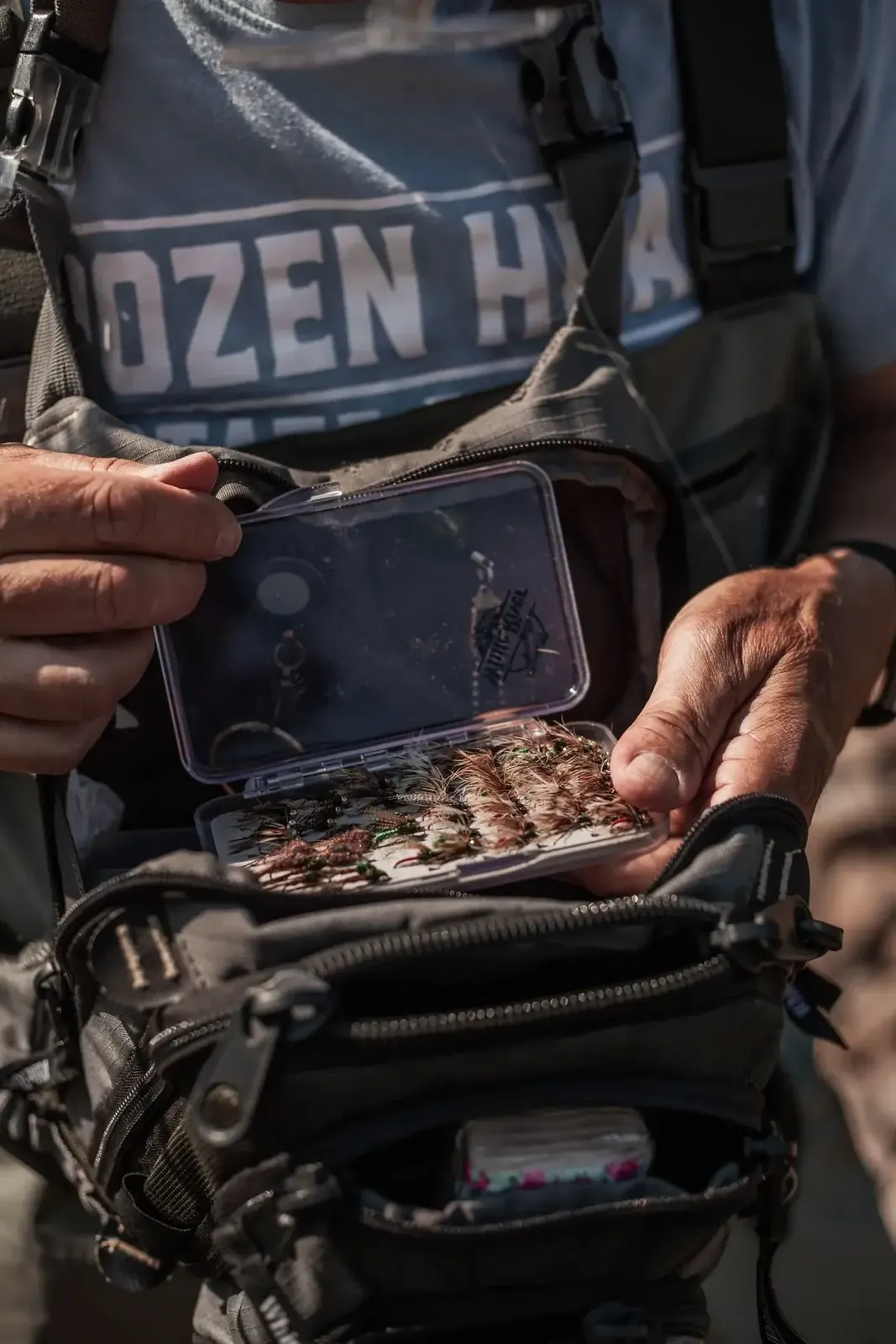
Fishing gear prepared for a field session

How we teach

Less gear talk. More process.

Equipment matters, but it should support technique rather than replace it.

Our instruction starts with the sequence of a fishing problem: where the fish may be holding, how water moves, what depth is available, how a presentation should travel, and what level of control the angler can maintain. Only then do we discuss line, leader, hook, lure, or fly choices.

This approach helps members build a smaller, more functional kit and become more adaptable. It also makes shared equipment easier to use because the emphasis is on principles rather than personal brand preference.

  • Simple knots that can be tied reliably in real conditions
  • Balanced rigs instead of unnecessary complexity
  • Safe wading and stable casting positions
  • Equipment inspection before entering the water
  • Fast, organized landing and release preparation

Club values in practice

What members can expect from one another.

A club is useful when its culture is predictable. These expectations shape our outings, workshops, and everyday communication.

Be prepared

Arrive with suitable clothing, required safety equipment, and an understanding of the outing plan.

Share space

Avoid crowding, rotate through productive areas, and respect other water users and shoreline visitors.

Share knowledge

Explain what you observe and why you changed tactics. Useful reasoning is more valuable than a location pin.

Protect habitat

Use durable access points, avoid fragile banks and spawning areas, and leave no line, hooks, packaging, or waste behind.

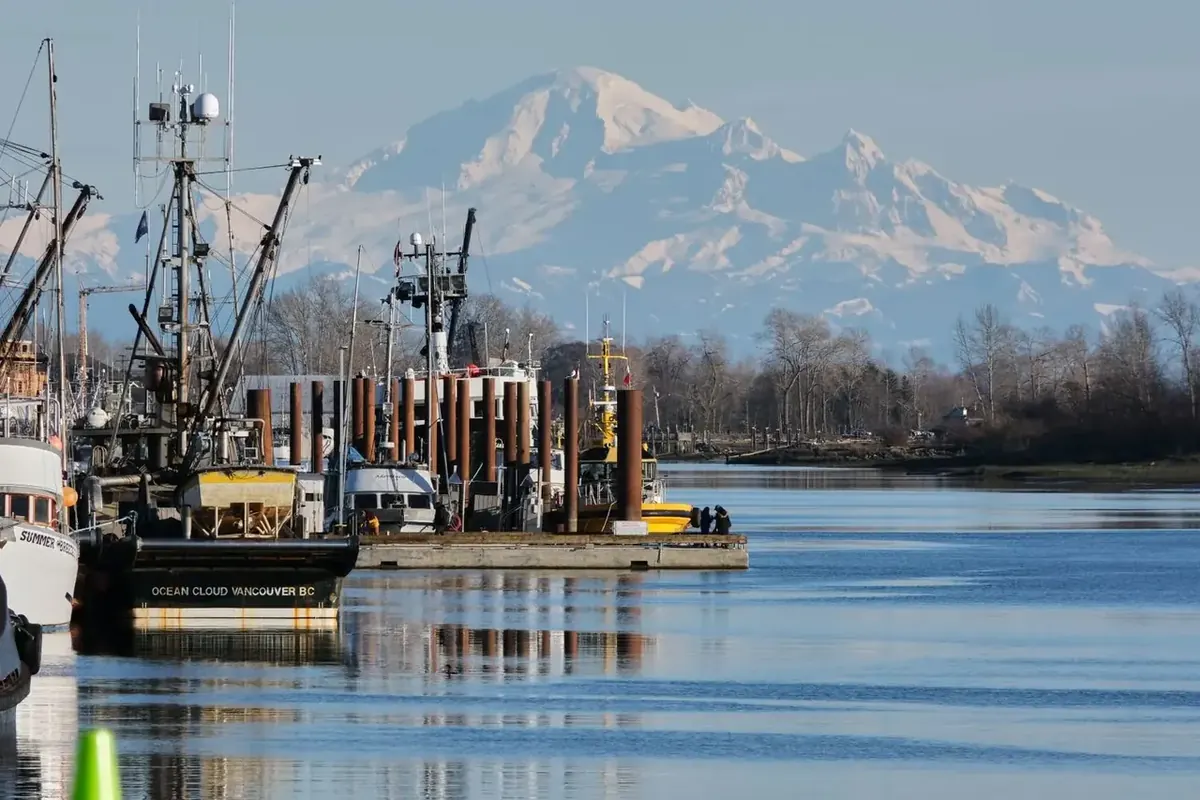
Working waterfront with mountain backdrop

A coastal club

North Vancouver is our base, not our boundary.

The North Shore gives members access to a wide range of water types within a practical travel radius.

Our calendar can include urban lakes, larger stillwaters, accessible river reaches, estuary edges, and sheltered coastal environments. The point is not to collect locations. It is to learn how different water changes the decisions an angler must make.

Trips farther from North Vancouver are planned conservatively, with attention to daylight, transport, changing conditions, and the needs of less experienced members. When water or access does not support a responsible outing, we switch to a clinic, shoreline session, or another location rather than forcing the original plan.

Our development

A club built through repeat participation.

Alboriquessavine has grown around a simple model: small groups, returning volunteers, clear standards, and programs that can be taught again.

Foundation

Community first

The club began as a way for local anglers to organize regular practice without commercial pressure. Early gatherings centred on water reading, casting, and practical access knowledge.

Growth

Structured learning

As membership broadened, workshops became more deliberate: beginner sessions, rigging benches, lake days, and volunteer-led mentoring made it easier for newcomers to participate.

Today

Competence with stewardship

The current program connects angling skill with habitat awareness, careful handling, shared transport where practical, and routine shoreline care.

Meet us on the water

The best way to understand the club is to join a structured session.

Review our activities to see how outings, clinics, and stewardship days fit together across the season.

Explore activities